
Pandit for Marriage Puja in Bangalore: Cost, Vidhi & Book Best Pandit Serivces
Looking to book a pandit for your marriage puja in Bangalore? Hindu weddings are sacred ceremonies rooted in Vedic traditions,…
 0%
0%

Enable Web Push Notification from 99Pandit.com. Notifications can be turned off anytime from browser
 Book Griha Pravesh Puja Online
Book
Now
Book Griha Pravesh Puja Online
Book
Now

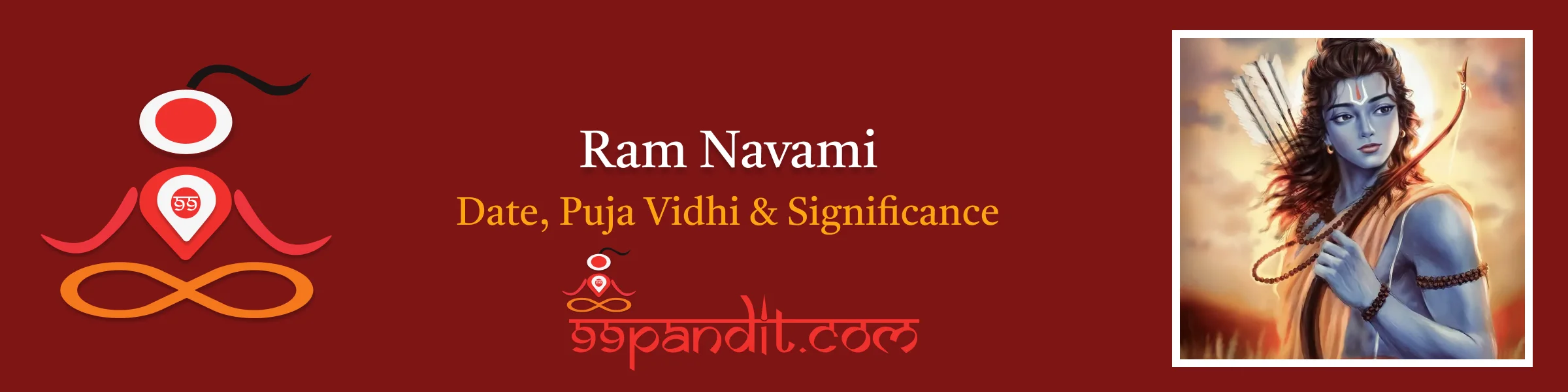


Ram Navami 2026 falls on Thursday, March 26, 2026. This sacred festival celebrates the birth of Lord Ram, one of the most revered deities in Hindu tradition, symbolizing righteousness, devotion, and the victory of good over evil.
Whether you’re planning to observe the fast, perform puja at home, or celebrate with your community, this guide covers everything you need to know about Ram Navami 2026.
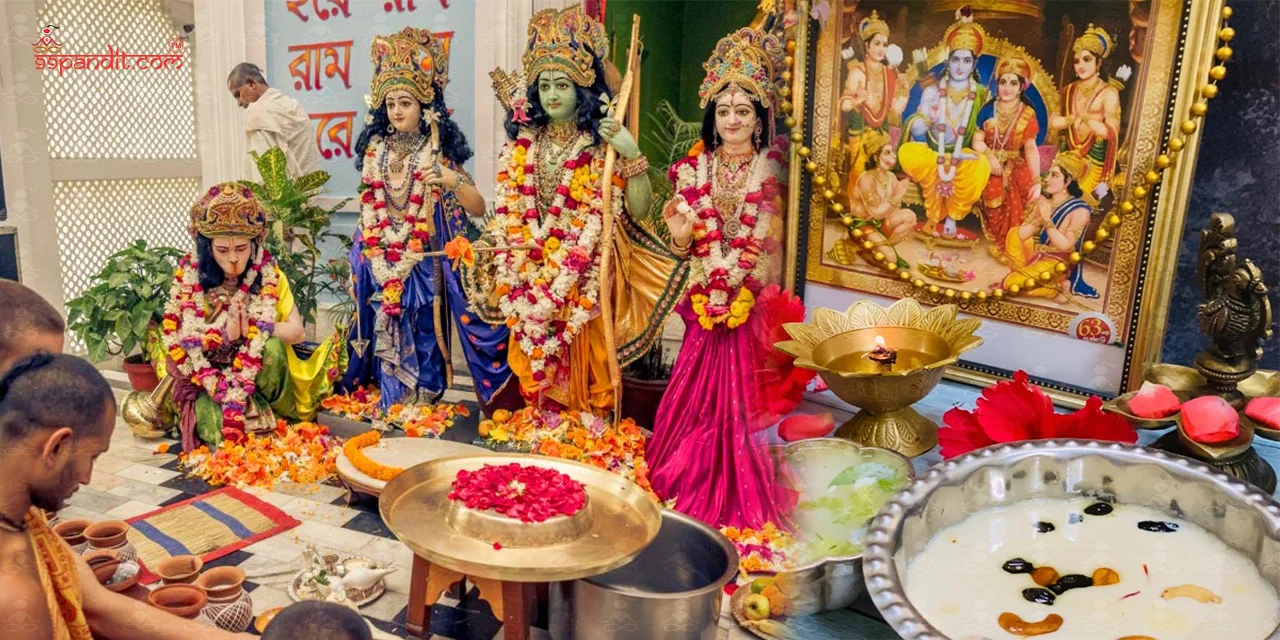
We’ll walk you through the auspicious puja muhurat timings, the significance of this day, traditional rituals, and how to properly observe the festival.
Ram Navami is celebrated on the ninth day (Navami) of Shukla Paksha in the Chaitra month according to the Hindu calendar.
Devotees across the country fast, chant prayers, and perform special pujas to honour Lord Ram’s birth and seek his blessings.
If you want to perform Ram Navami puja with proper Vedic rituals at your home, you can book an experienced pandit through 99Pandit.
Our platform makes it simple to find qualified priests who can conduct the ceremony at your home with all the traditional customs.
This article will help you understand the religious importance of Ram Navami, the right way to observe the fast, essential puja items you’ll need, and the correct mantras and procedures for worship.
Let’s explore how you can make Ram Navami 2026 spiritually meaningful for you and your family.
According to the Hindu calendar, people observe the holy festival of Ram Navami on the Navami date of the Shukla Paksha of the Chaitra month, as we have explained.
However, Ram Navami, which is a component of the Chaitra Navratri, occurs on the ninth day of the bright half, or the Shukla Paksha, in the month of Chaitra, according to the Hindu lunisolar calendar.
It means that the celebration always takes place in March or April according to the Gregorian calendar.
The Ram Navami in 2026 will be celebrated on 26 March. Which is an optional government holiday in India.
| Day | Date |
| Wednesday | 17 April 2024 |
| Sunday | 06 April 2025 |
| Thursday | 26 March 2026 |
| Thursday | 15 April 2027 |
| Tuesday | 04 April 2028 |
Ram Navami is a major Hindu festival that celebrates the birth of Lord Ram, the seventh avatar of Lord Vishnu.
According to Hindu tradition, Lord Ram was born in Ayodhya to King Dasharatha and Queen Kaushalya on the ninth day of Chaitra month.
This festival holds deep spiritual significance because Lord Ram is considered the perfect example of dharma (righteousness).
His life teaches us about duty, honour, compassion, and standing up for what’s right, even when it’s difficult.
The epic Ramayana chronicles his life story, which continues to inspire millions of people today.
Ram Navami is celebrated to honour these virtues and seek Lord Ram’s blessings for strength, wisdom, and moral courage in our own lives.
Devotees believe that observing this day with devotion brings prosperity, removes obstacles, and helps them stay on the path of righteousness.
Ram Navami isn’t just about celebrating a birthday; it’s about reconnecting with values that matter in everyday life.
Religiously, this day marks the moment when Lord Vishnu took human form as Ram to restore balance and defeat evil in the world.
For devotees, it’s a reminder that divine presence exists to guide us through difficult times. The spiritual meaning goes deeper.
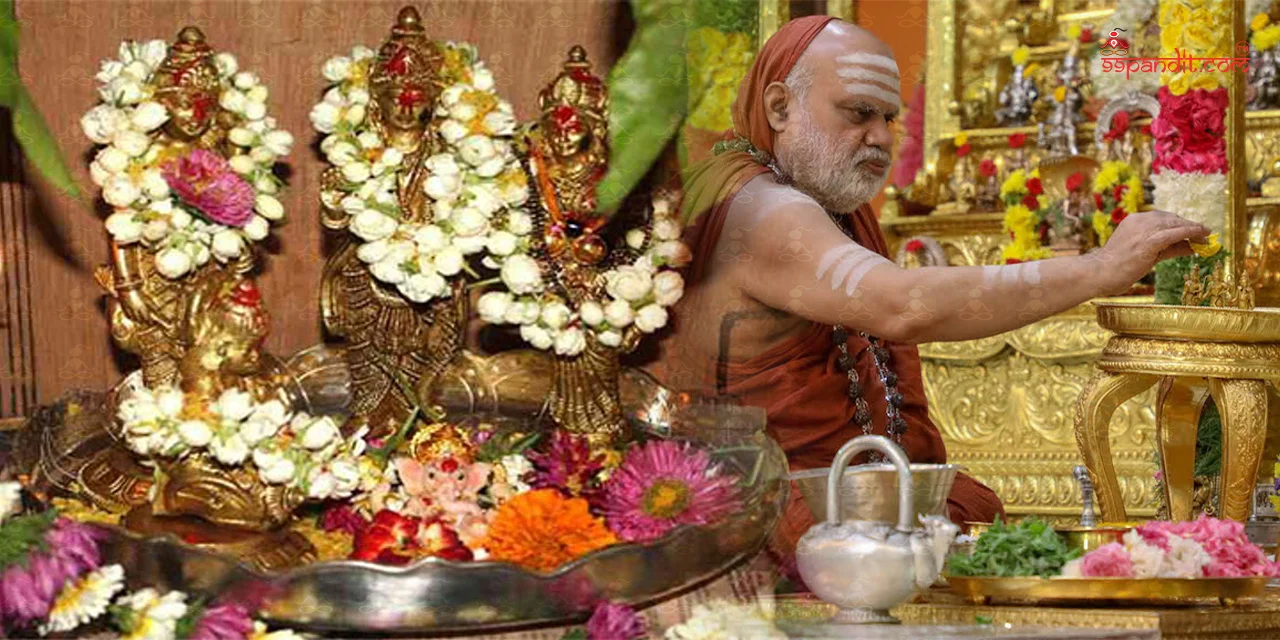
Lord Ram represents the ideal human being, someone who kept his word no matter the cost, respected his parents, loved his wife devotedly, and treated everyone with fairness.
His life wasn’t easy, but he faced every challenge with grace and integrity. Observing Ram Navami is a way to reflect on these qualities and try to bring them into our own lives.
Culturally, Ram Navami brings communities together. Across India, you’ll find different traditions.
Some regions focus on fasting and prayer, while others organize processions and cultural programs. In North India, people recite the Ramayana.
In South India, marriages are often performed on this auspicious day. Despite these regional differences, the core message stays the same: goodness ultimately wins.
Performing Ram Navami puja at home is straightforward when you follow the traditional steps. Here’s how to do it properly:
1. Cleaning and Preparation: Clean your puja space and take a morning bath to purify yourself. Gather flowers (red or yellow), incense, diya, kumkum, chandan, fruits, tulsi leaves, and prasad ingredients like panchamrit or kheer.
2. Idol or Photo Placement: Set up Lord Ram’s idol or picture on a clean platform. If possible, include the complete Ram Darbar (Ram, Sita, Lakshman, Hanuman). Decorate with fresh flowers and light a diya.
3. Sankalp (Taking the Vow): Sit facing east with water in your right hand. State your intention for the puja, mentioning your name and purpose. Pour the water at the idol’s base to formally begin the worship.
4. Mantra Chanting: Recite “Om Sri Ramaya Namah” 108 times, or chant Ram Raksha Stotra and Ramayana verses. A pandit can guide you through proper Vedic mantras, but simple devotional chanting works well too.
5. Aarti: Light a camphor or a ghee lamp and move it in circles before the deity while singing Ram aarti. Ring a bell throughout to create a sacred atmosphere.
6. Prasad Distribution: Offer panchamrit, fruits, or sweets to Lord Ram first. Then distribute the blessed prasad to all family members and guests, completing the puja.
Note: If you want the puja performed with full Vedic rituals, book an experienced pandit who can guide your family through each step properly.
Fasting on Ram Navami is a way to show devotion and discipline. Here’s what you need to know about observing the vrat properly:
There are different ways to fast depending on your health and comfort level. A full fast (nirjala) means no food or water from sunrise to sunset.
This is the strictest form. A partial fast (phalahari) allows you to eat fruits, milk, and specific vrat-friendly foods.
Some people choose a single-meal fast, eating only once after completing the evening puja. Choose what works for your body and daily routine.
If you’re doing a phalahari fast, you can eat fruits, nuts, milk, yogurt, sabudana (tapioca), kuttu (buckwheat), singhara (water chestnut flour), and potatoes.
Drink plenty of water, coconut water, or fruit juices. Avoid grains like wheat and rice, lentils, onion, garlic, non-vegetarian food, and alcohol. Also, skip regular salt and use rock salt (sendha namak) instead for any vrat recipes.
Anyone in good health can observe the Ram Navami fast. However, pregnant women, young children, elderly people with health issues, and anyone with medical conditions like diabetes should skip fasting or consult their doctor first.
There’s no spiritual benefit in putting your health at risk; devotion matters more than strict fasting rules.
Break your fast after performing the evening puja and aarti, typically after sunset. Some people wait until the next morning after sunrise prayers.
The traditional way is to first offer prasad to Lord Ram, then consume it yourself to break the fast. Start with something light, like fruits or milk, before having a regular meal.
Note: Remember, the purpose of fasting is spiritual focus, not physical hardship. Do what feels right for you while maintaining devotion.
Offering bhog to Lord Ram is an important part of the celebration. The food you prepare and offer becomes prasad once blessed by the deity.
Here’s what traditionally works best:
Panchamrit is the most popular offering for Ram Navami. It’s a sweet mixture of milk, yogurt, honey, ghee, and sugar.
Kheer (rice pudding) made with milk, rice, and jaggery is another classic choice. Many families prepare kesari (semolina halwa), coconut ladoo, or panjiri.
Since it’s a fasting day for many, you can also offer sabudana khichdi or fruits. The key is to prepare everything without onion, garlic, or regular salt.
Fresh seasonal fruits are always appropriate; bananas, apples, pomegranates, and mangoes work well.
Dry fruits like almonds, cashews, and raisins make excellent offerings too. For sweets, peda, barfi, or simple homemade ladoos are perfect.
Some people offer tulsi leaves along with the prasad since Lord Ram had special reverence for tulsi. Keep everything pure, fresh, and prepared with devotion.
Different parts of India have their own Ram Navami prasad traditions. In North India, especially Uttar Pradesh, panakam (a jaggery and pepper drink) and kosambari (lentil and cucumber salad) are popular.
In Maharashtra, people prepare sundal (chickpea salad) and offer it to the deity. South Indian families often make payasam and vadai.
In Bengal, niramish (vegetarian dishes without onion-garlic) preparations are common. Whatever your regional tradition, the sentiment of devotion matters most.
Ram Navami celebrations look different across India, but the devotion remains the same everywhere. Here’s how different regions observe this special day:
Ayodhya, Lord Ram’s birthplace, sees the grandest Ram Navami celebrations in the country. The entire city transforms into a festival hub.
Lakhs of devotees gather at the Ram Janmabhoomi temple to offer prayers. The day starts with elaborate rituals at dawn, followed by continuous recitation of the Ramayana throughout the day.
A grand shobha yatra (procession) moves through the city streets with decorated chariots carrying Lord Ram’s idol.
The celebrations include special bhog offerings, cultural programs depicting scenes from the Ramayana, and the entire city stays lit up with diyas and decorations. The atmosphere is electric with devotion and festivity.
In South India, Ram Navami is celebrated with equal fervor but different customs. Tamil Nadu and Andhra Pradesh consider it an auspicious day for weddings many couples choose this date to get married.
Temples conduct the Kalyanam (ceremonial marriage) of Lord Ram and Sita with grand decorations. People prepare special prasad like panakam and kosambari.
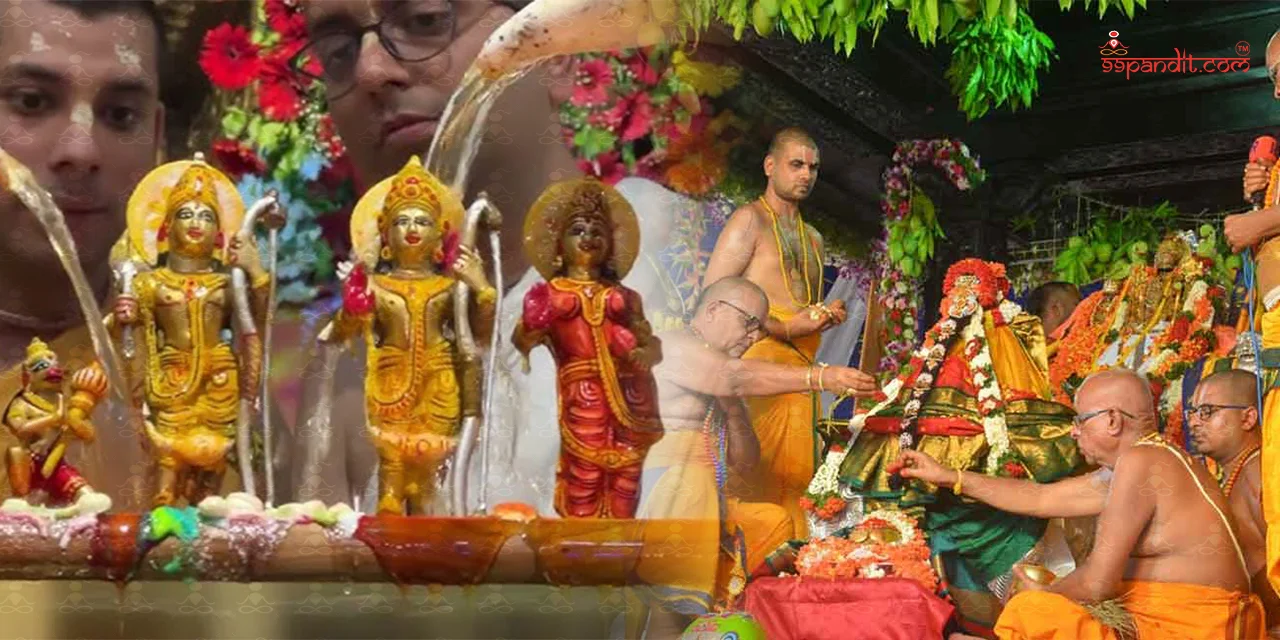
In Karnataka, devotees observe Rama Navami as part of the nine-day Vasantha Navaratri festival.
Homes are decorated with mango leaves and rangoli, and families gather to read the Ramayana together.
The focus is more on quiet, home-based worship compared to the public celebrations in North India.
Temples across India organize spectacular processions (Yatra) on Ram Navami. The deity’s idol is placed on a beautifully decorated chariot or palanquin and carried through the streets.
Devotees walk alongside singing bhajans and chanting “Jai Shri Ram.” In some cities, the procession includes traditional music, dance performances, and people dressed as characters from the Ramayana.
These processions often stop at important locations where special aartis are performed. It’s a visual spectacle that brings the community together and allows everyone to participate in the celebration, even those who can’t visit temples.
One of the major festivals for Hindus is the Ram Navami 2026 festival, celebrated in India. One of the most important festivals for Hindus is Ram Navami.
Lord Rama’s valour and the signal of the triumph of good over evil are observed. To worship Lord Rama, many people go to the Ram temple or hold pujas in their homes.
Even the destitute contribute to the celebration of the auspicious day by making offerings or donations.
Everyone, from little children to elders, makes earnest prayers and takes part in the celebrations all day.
100% FREE CALL TO DECIDE DATE(MUHURAT)

Table Of Content